.jpeg)
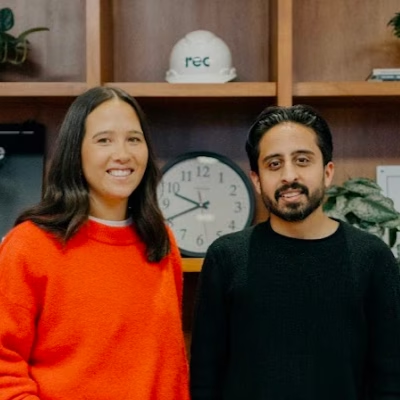
Looking back on 2025, one thing stands out: recreation is having a moment.
At Rec, we spent our year in neighborhoods across the country, seeing firsthand how recreation is evolving—we saw endlessly packed pickleball courts, innovative programs like ones gathering esports communities IRL and delightful community events that bring thousands of people together (and sometimes a few furry friends, too).
Behind the scenes, a dedicated group of Parks & Recreation professionals are making all of this possible. They show up every day and deliver extraordinary experiences — often with limited resources, outdated systems, and the pressure of growing expectations from their communities. At Rec, we’ve always believed our work exists in service of our agency partners—that great technology can meaningfully amplify their ability to bring communities together.
2025 was all about meeting that moment head-on. At Rec we proved that thoughtfully designed technology — built in partnership with cities, towns and communities across the country — can be the unlock for more play in every community. Our focus is simple: reduce time spent managing recreation so more time can be spent actually enjoying it.
By the end of 2025, Rec began powering recreation for millions of residents across more than 20 states — including Florida, Illinois, Texas Colorado and Oregon. And while the topline numbers are exciting to us, what matters more to us is the fundamental change our technology has delivered for communities and the people who serve them.
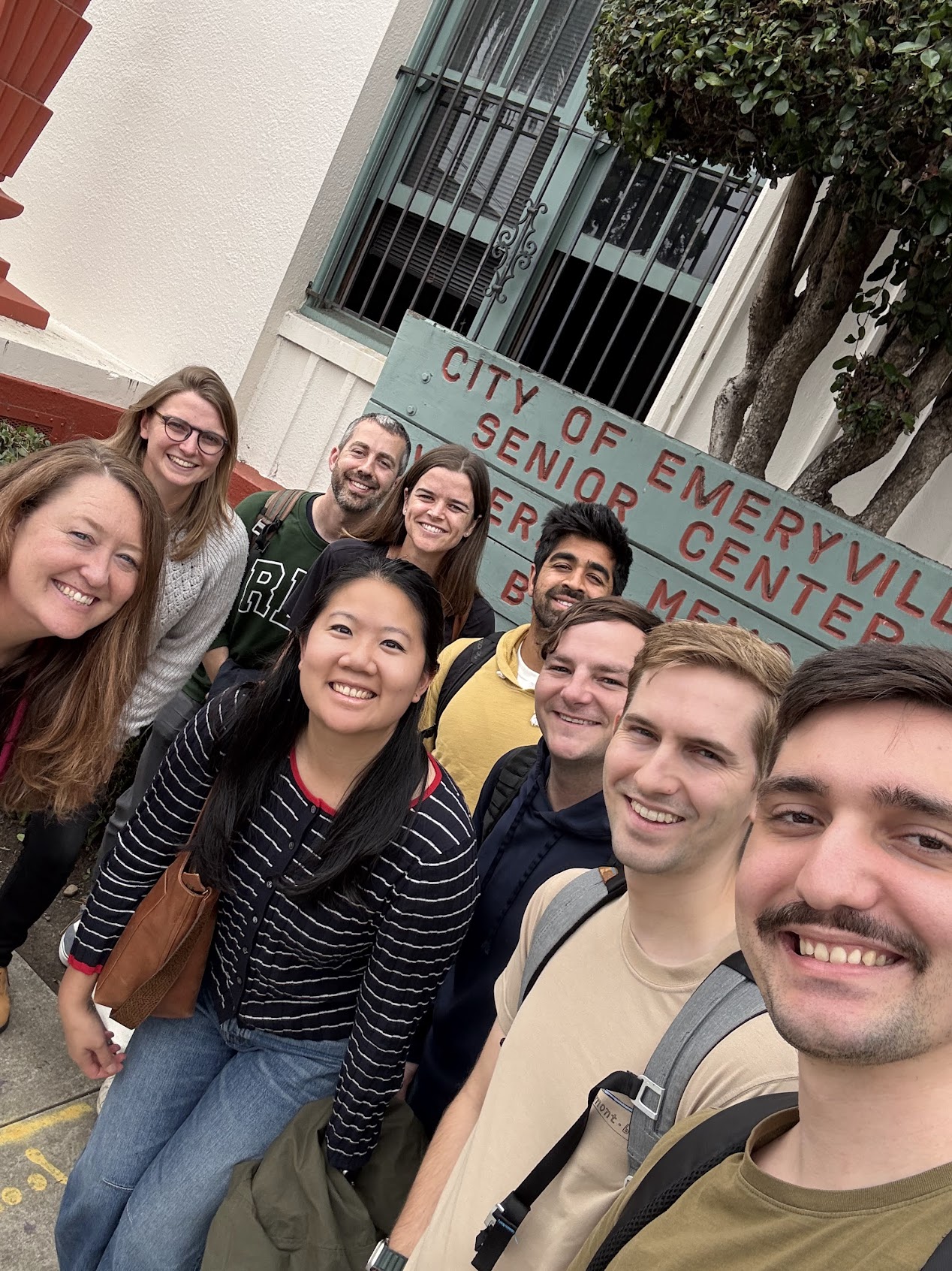
In Torrance, CA, summer camp registration transformed from one of the most stressful days of the year into a smooth, mobile-first experience. Meanwhile, Rec’s Coaching Platform has generated over 26,000 hours of brand new programming for the city across yoga, golf, music, badminton and tennis/pickleball. This has enabled over 1000 new residents to access programming and generated over $125,000 in net new revenue to the city.
Meanwhile in San Francisco, Rec’s coaching network activated public tennis and pickleball courts across the city — supporting local instructors, improving utilization of underused spaces, and delivering thousands of affordable lessons closer to where people live.
In cities across Texas and Massachusetts, Rec enabled departments to generate meaningful revenue within days or weeks of launch — not months. In Midland, TX, the city generated over $20,000 in its first five days on the platform. In the Town of Danvers, MA, the department processed more than $23,000 in online registrations within the first two weeks of launch. And in Belton, TX, Rec took the city from paper and phone-based registration to a fully digital experience, enabling thousands of online bookings for the first time and eliminating in-person bottlenecks during peak demand.
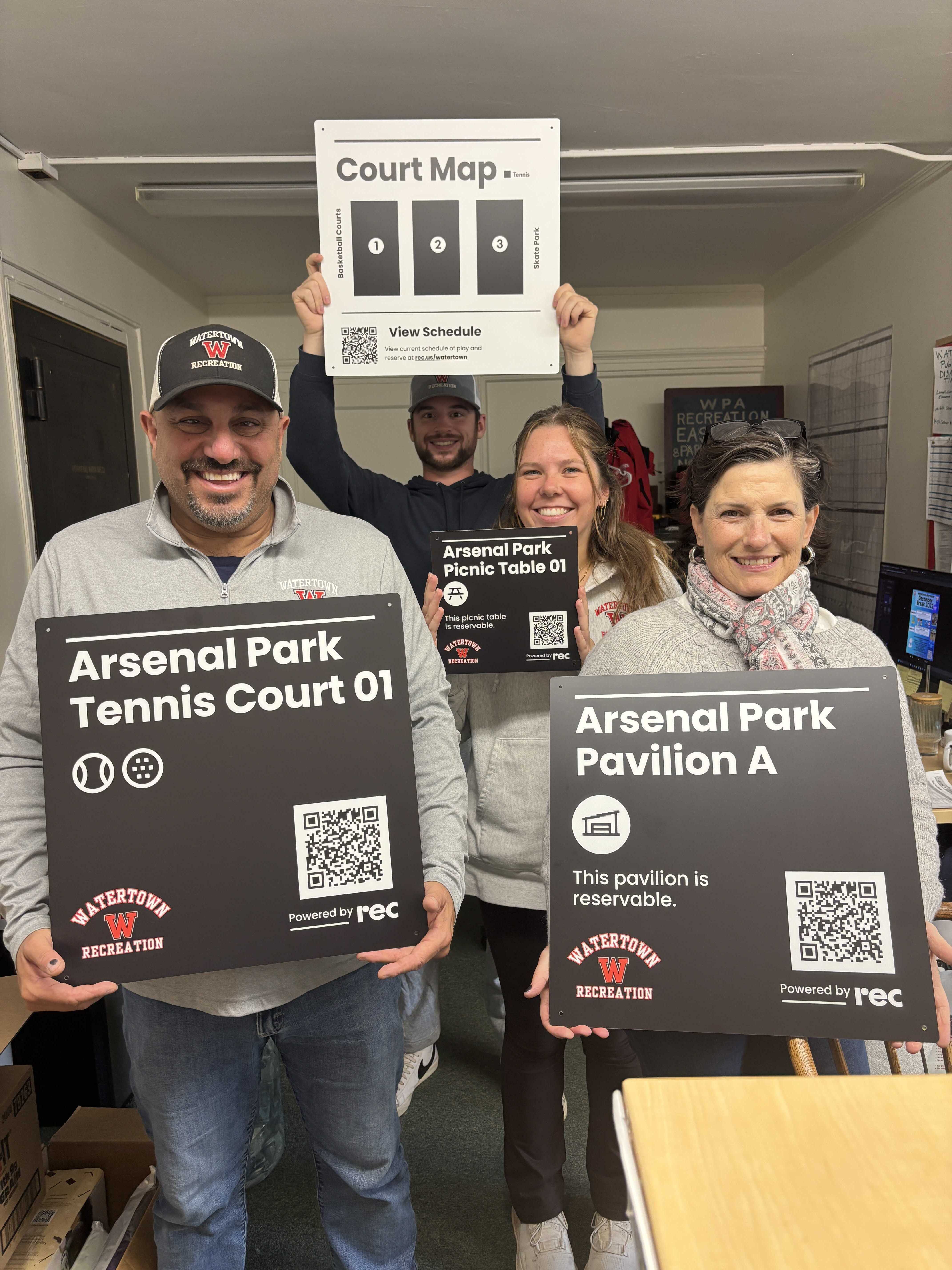
In Watertown, MA we co-designed over 60 on-site signs that connected their digital recreation experience to its physical facilities, giving residents real-time discovery and access to how tennis courts, baseball turfs and multi-sport rinks were being used.
In California cities Lincoln, Folsom and Rocklin, CA, departments expanded beyond their initial launches — adding memberships, facilities, and new offerings over time — demonstrating how Rec supports not just go-lives, but long-term growth and operational maturity.
The Next Generation of Recreation Technology
In 2025, AI came to the forefront of our professional and personal lives. At Rec, we believe in a future where you work alongside AI in your Rec platform - and we completed 1000s of hours of R&D to set up Rec as an AI-first platform. We ended the year by releasing a pilot of our first AI Agent - the Refund Agent.
At Rec, we don’t believe AI should be flashy or disruptive for its own sake. We believe it should quietly remove friction from daily work—taking on repetitive, time-consuming tasks so recreation teams can focus on what actually matters: the creativity required to serve their communities.
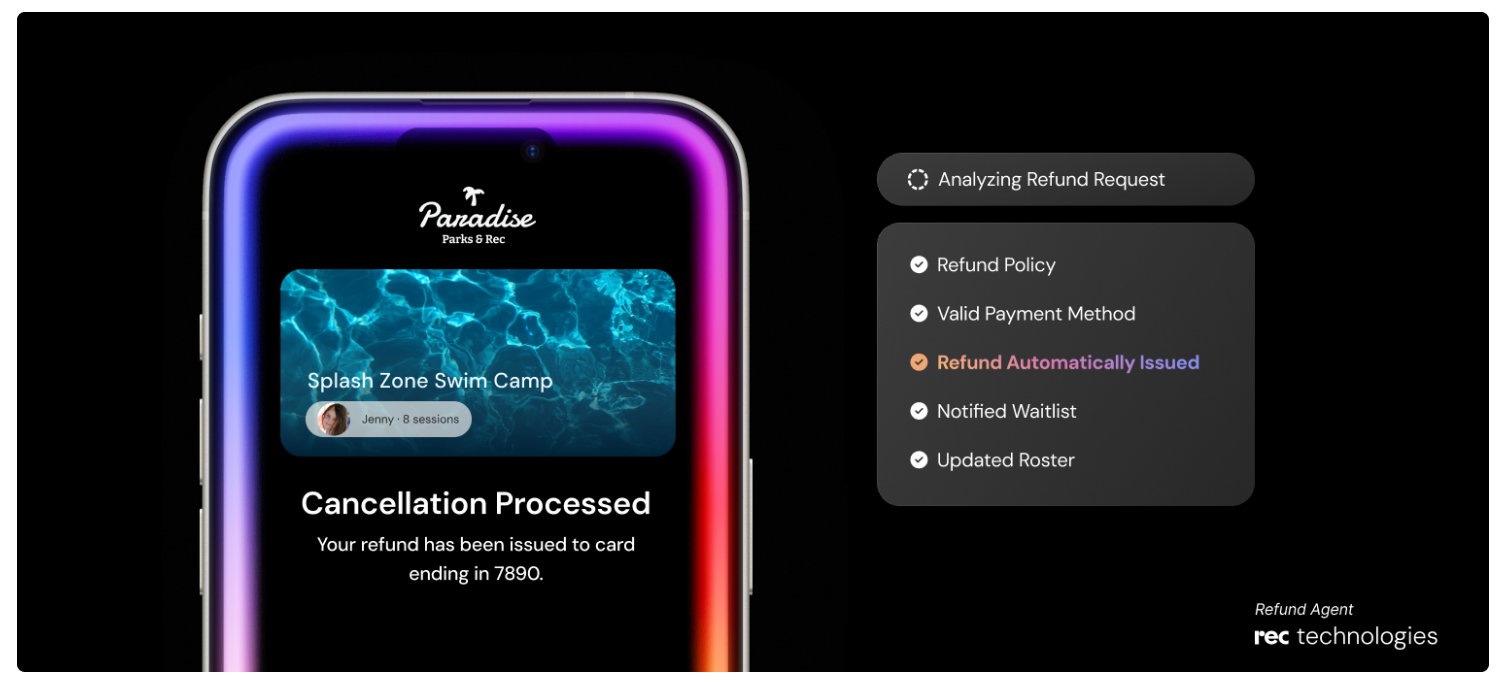
Our AI Refund Agent does exactly this. Managing Cancellations and Refunds—long one of the most painful, manual workflows for departments—are now handled automatically, accurately, and at scale.
The impact is real. We estimate this agent will save the average department nearly 20 hours of staff time every week in 2026—time that can be reinvested into programming, facilities, and the people recreation exists to serve.
This was just the beginning. The Refund Agent is the first of a series of AI agents that will come to life in Rec: each a specialized teammates that help cities do more, without asking them to do more work. We expect to save our staff partners 100s of hours a week in 2026.
Out in the Wild
This year, we also showed up—at conferences, workshops, and events—meeting customers face-to-face and talking openly about the real impact modern technology and AI can have on Parks & Recreation departments.
But more than just showing up, we showed up with our cities. We taught together on stages, collaborated in webinars and podcasts, and yes—even found ourselves on a few karaoke stages along the way. The common thread across all of it: learning alongside the people doing the work, and helping move the industry forward together.
Throughout 2025, that showed up in a few standout moments:
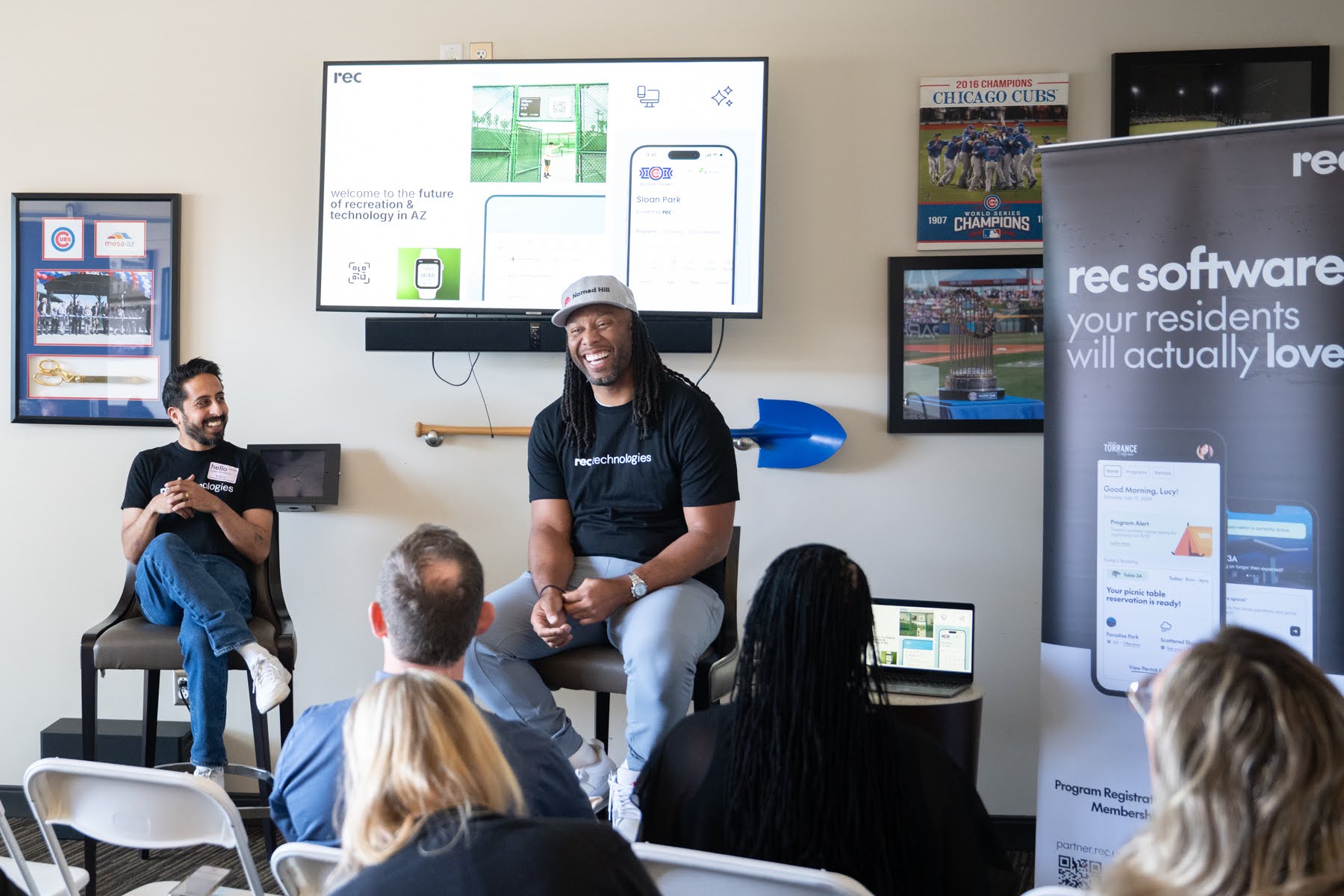
- We hosted our first-ever Rec x Tech Innovation Summit at Sloan Park in Mesa, bringing together 25+ Parks & Recreation leaders from across Arizona for a day focused on the future of recreation. The event featured a fireside chat with Larry Fitzgerald, exploring leadership, community, and the role of technology in bringing people together.
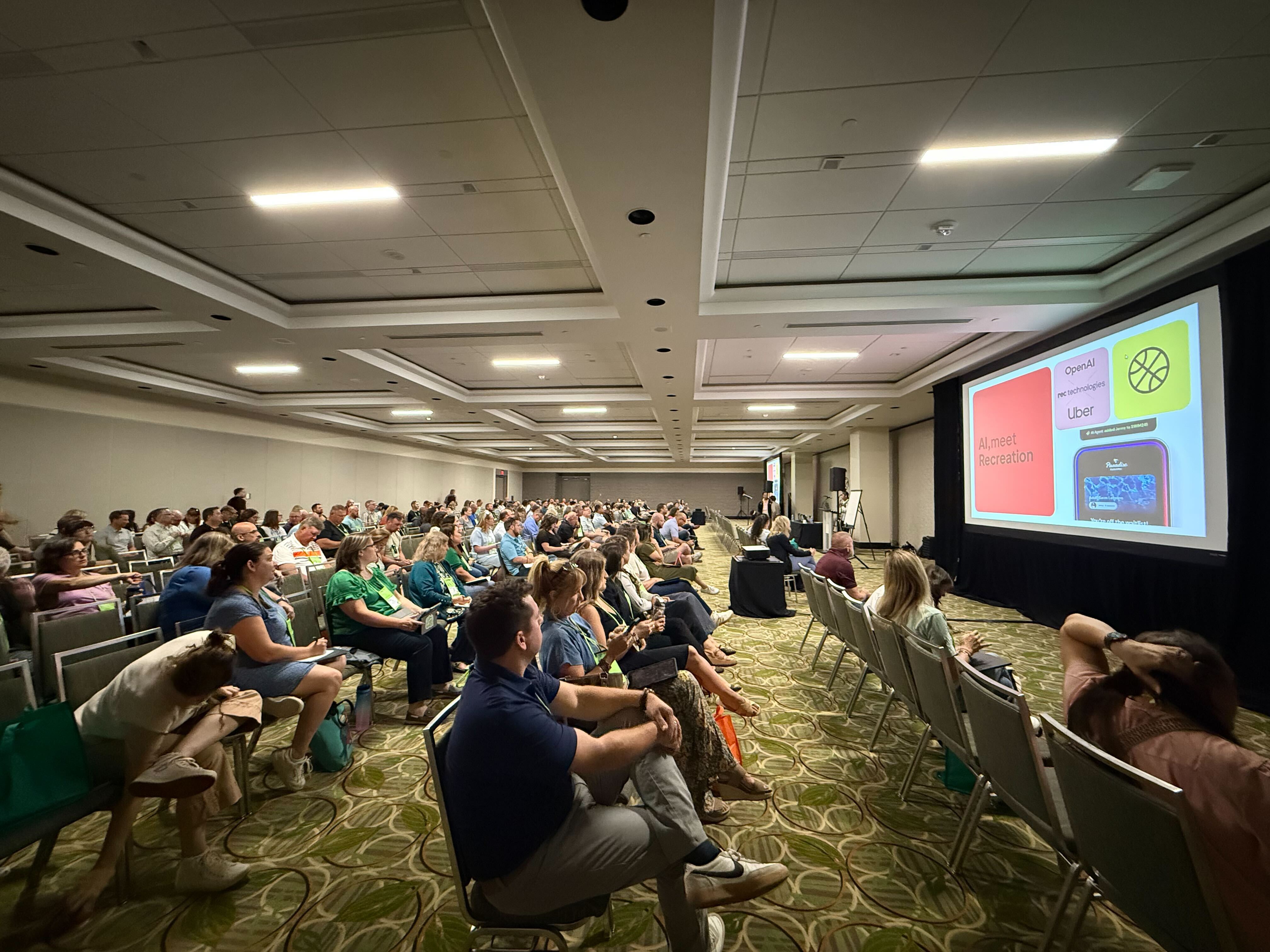
- At NRPA, we co-hosted an education session with OpenAI, focused on the real, practical impact AI can have in Parks & Recreation—not hypotheticals, but workflows cities are already improving today. The conversation resonated so strongly that we recently hosted a follow-on webinar to continue the discussion and share what departments are learning as they adopt AI.
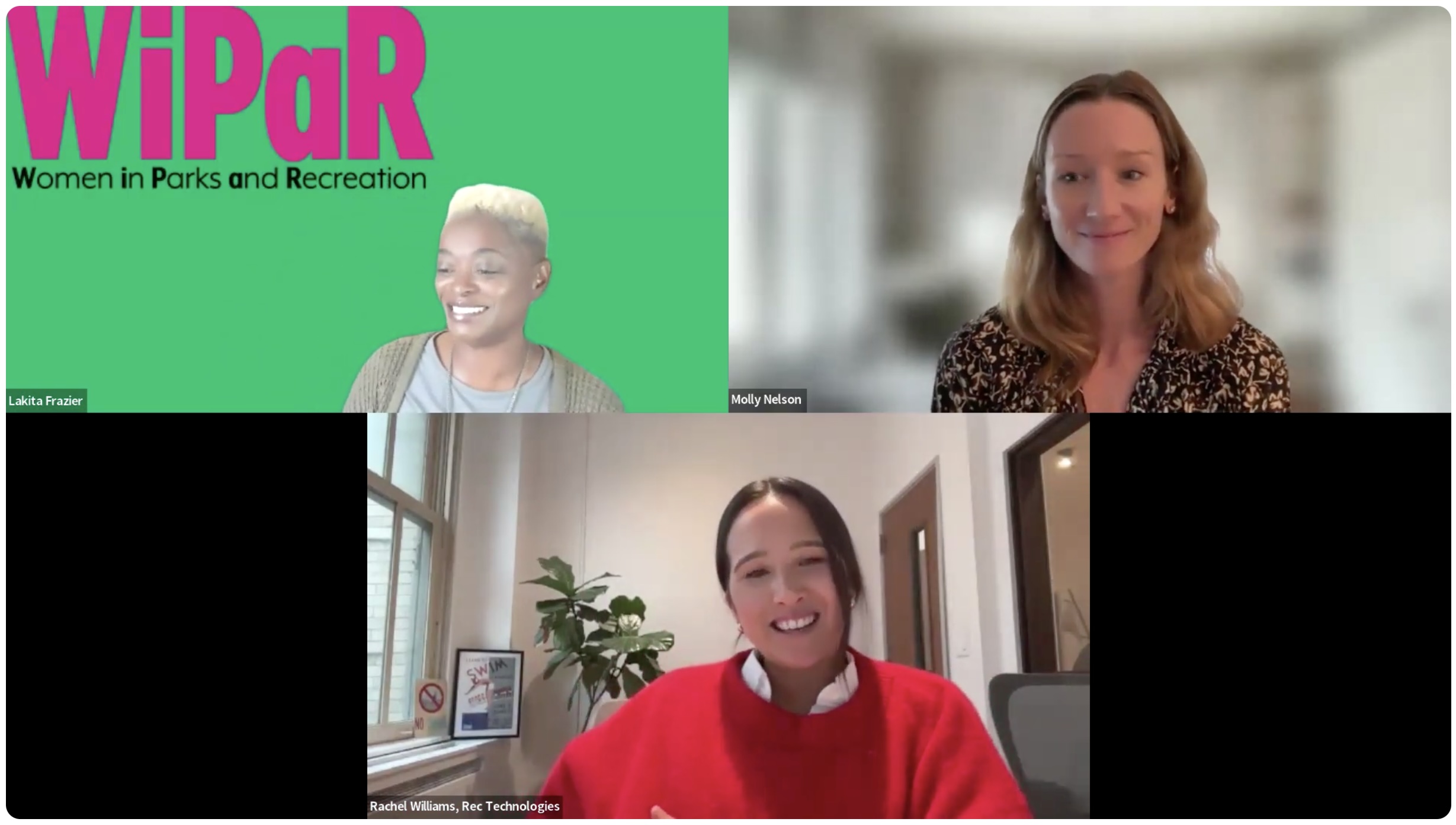
- We partnered with Women in Parks & Recreation leader Lakita Frazier to co-host a webinar (link here!) opening up an important conversation about women in leadership across both recreation and technology—highlighting lived experiences, challenges, and paths forward.
We showed up across the country, participating in conferences, regional events, and city-led workshops—spending time not just on stages, but inside departments, listening to teams, and learning how recreation really operates day to day.
Across all of these moments, the goal was the same: build in the open, learn directly from practitioners, and strengthen the relationships that make meaningful progress in this industry possible.
The Team Powering it All
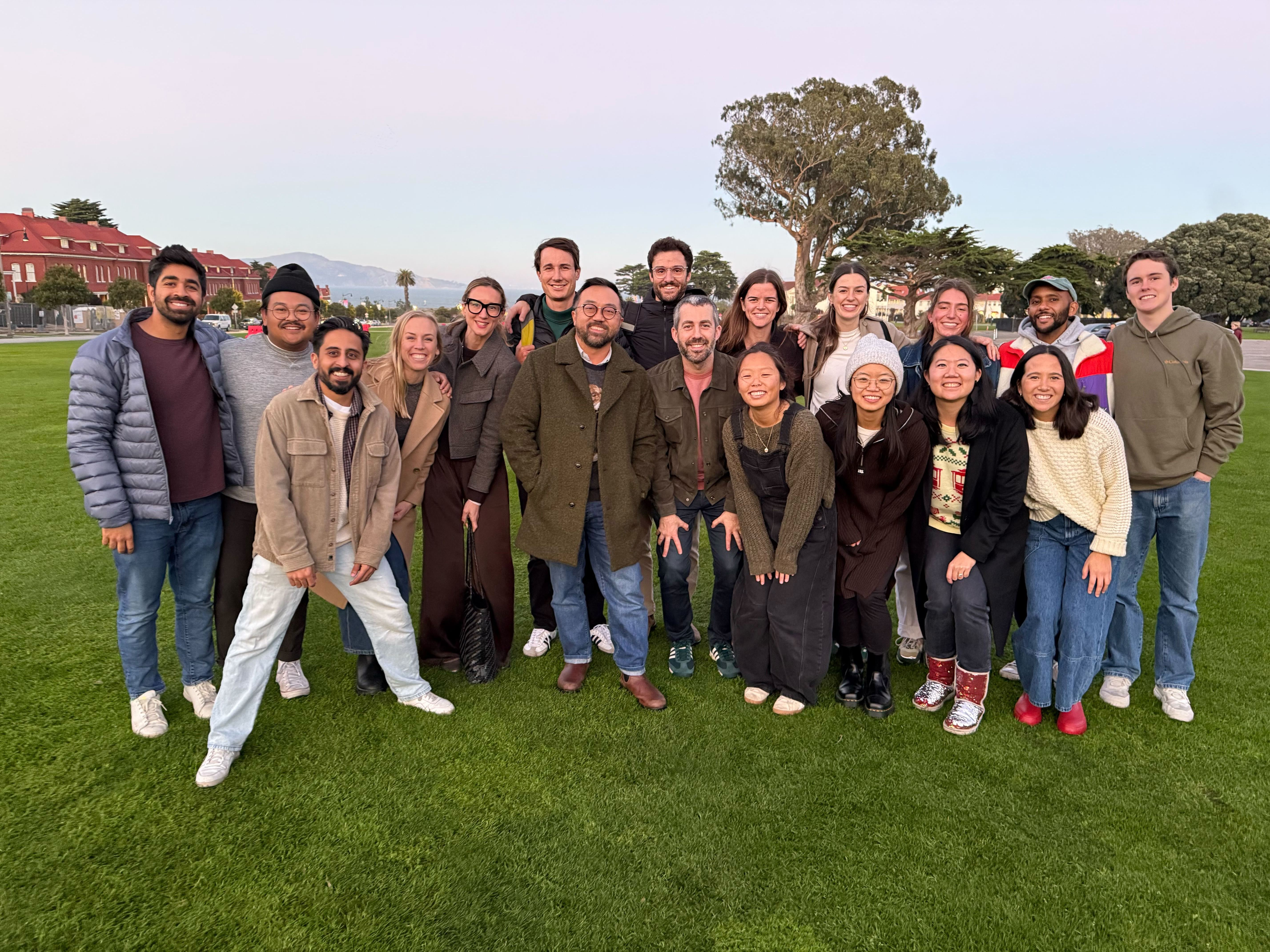
None of this happens without the people behind the product. When we started Rec, we said let’s find the best talent in technology, and get them thinking about, and building for the recreation industry.
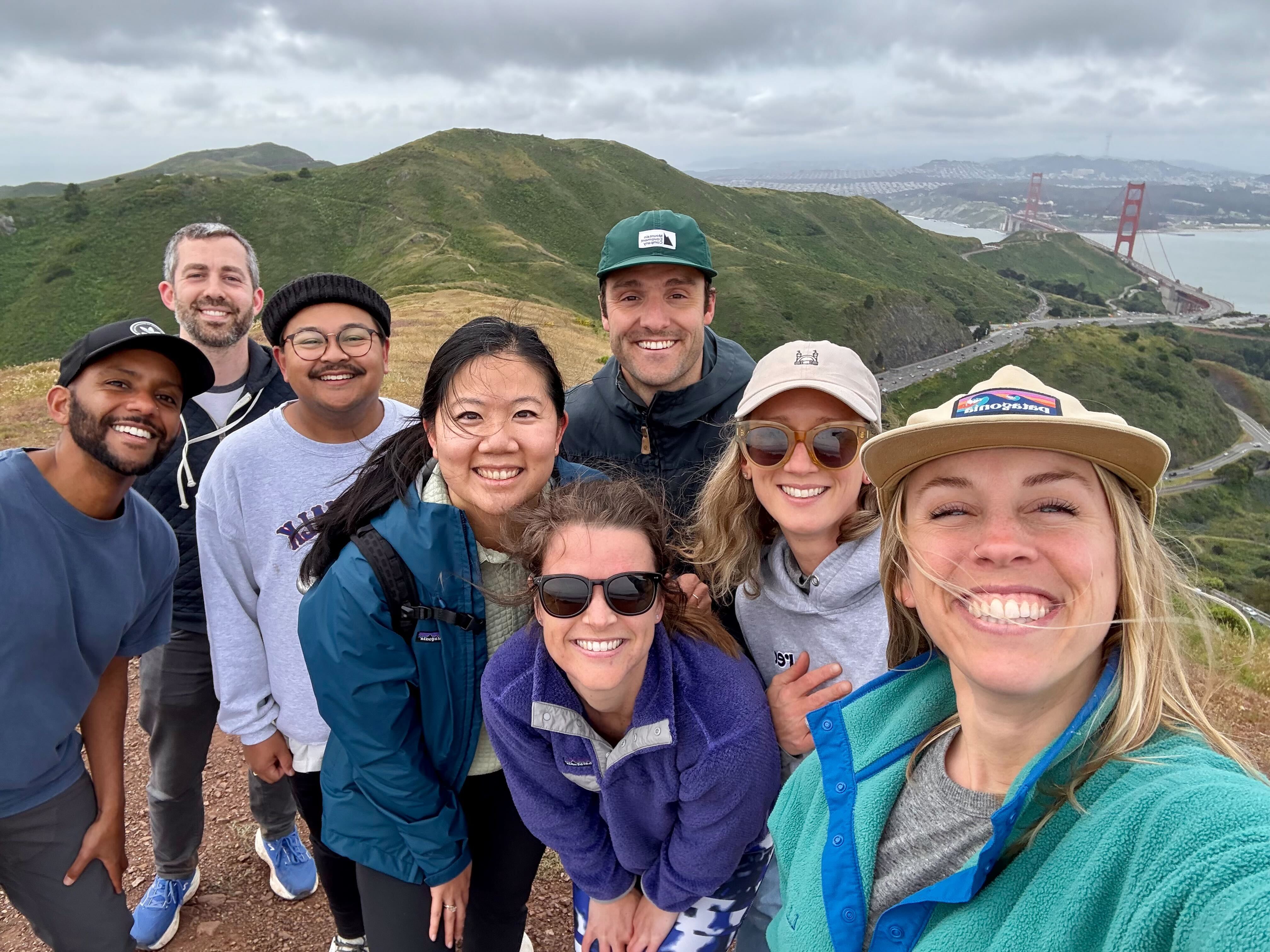
And we did that. In 2025, we had teammates join Rec across engineering, product, partnerships and customer success. Our employees left places like Google, Next Door and Hipcamp to invest their time and energy into recreation. These teams shipped quickly, listened and learned, and spent valuable time with our customers to understand how we can better support their teams on the ground.
We’re proud not just of what we built this year, but of how we built it: collaboratively, thoughtfully, and always with community impact at the center.
Looking Ahead
As we head into 2026, we’re carrying real momentum forward.
We’ll continue investing in technology – including AI for Recreation – that removes friction from daily operations, expands access across languages and abilities, and helps cities serve more residents without burning out their teams. We’ll keep partnering with departments ready to modernize. And we’ll keep building toward a future where recreation feels intuitive, welcoming, and accessible.
To our city partners, our growing team, and the communities they serve: thank you for making 2025 a year we’re incredibly proud of.
.avif)
.jpeg)