Edition 1 of Rec Technologies’ State of AI in Recreation 2026
By Birju Kadakia, Co-Founder of Rec Technologies — with perspectives from Gary Packan, Director of Arlington Parks, Recreation & Culture, and Derek DeBusk, Business Services Manager
When we published our first piece on AI in recreation last year, we made the case that the technology was ready. That piece was about possibility. This one is about what's actually happening, grounded in data from a department that took the question seriously enough to survey their entire team.
This month, Birju spent time with Gary Packan and Derek DeBusk, leaders at Arlington Parks, Recreation & Culture, talking through where AI is heading and how forward-thinking agencies can get ready. Gary, a lifelong recreation director, anchored the conversation with a pointed question: should recreation operators be building an AI Master Plan?
We thought it was worth finding out. The Rec Technologies team surveyed 92 members of the department on how they spend their time, where AI fits in their work today, and what they hope for. What follows is what we found, and a draft of what that master plan could look like.
What a Large Recreation Agency Is Actually Feeling
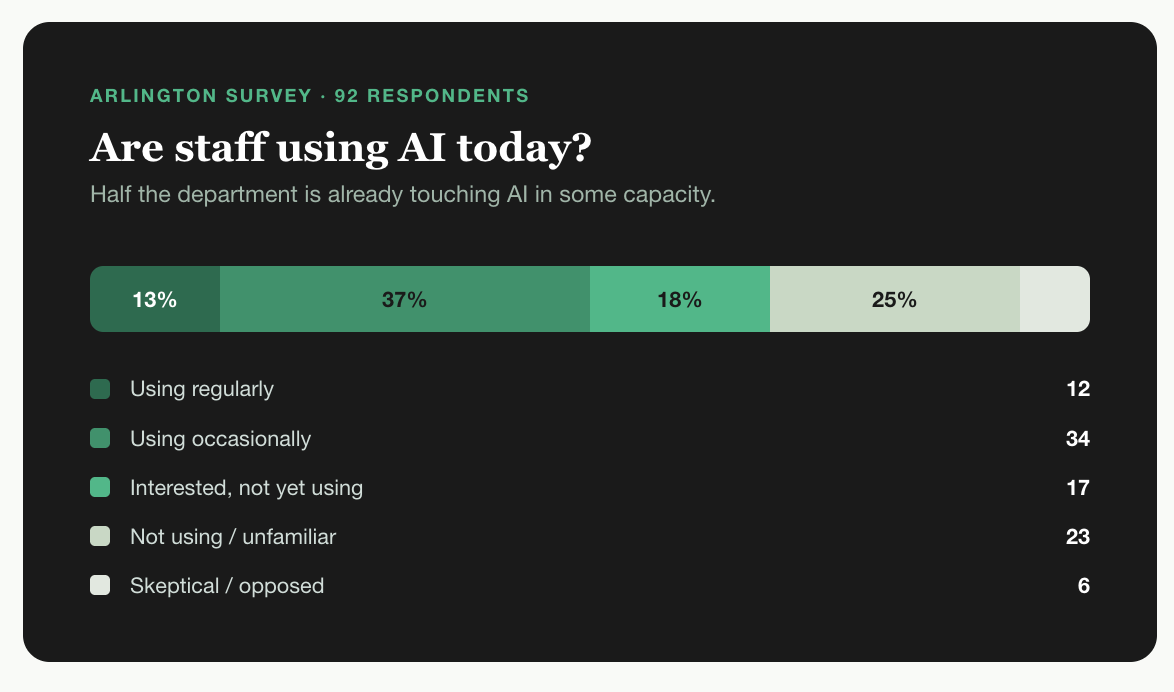
Starting with the encouraging number: half of the survey respondents on Arlington staff are already touching AI in some capacity — 37% occasionally, 13% regularly.
But comfort told a different story. When we asked how comfortable staff feel using AI, the average score was just 2.84 out of 5. The gap between exposure and confidence is the real finding, and it almost certainly isn't unique to Arlington.

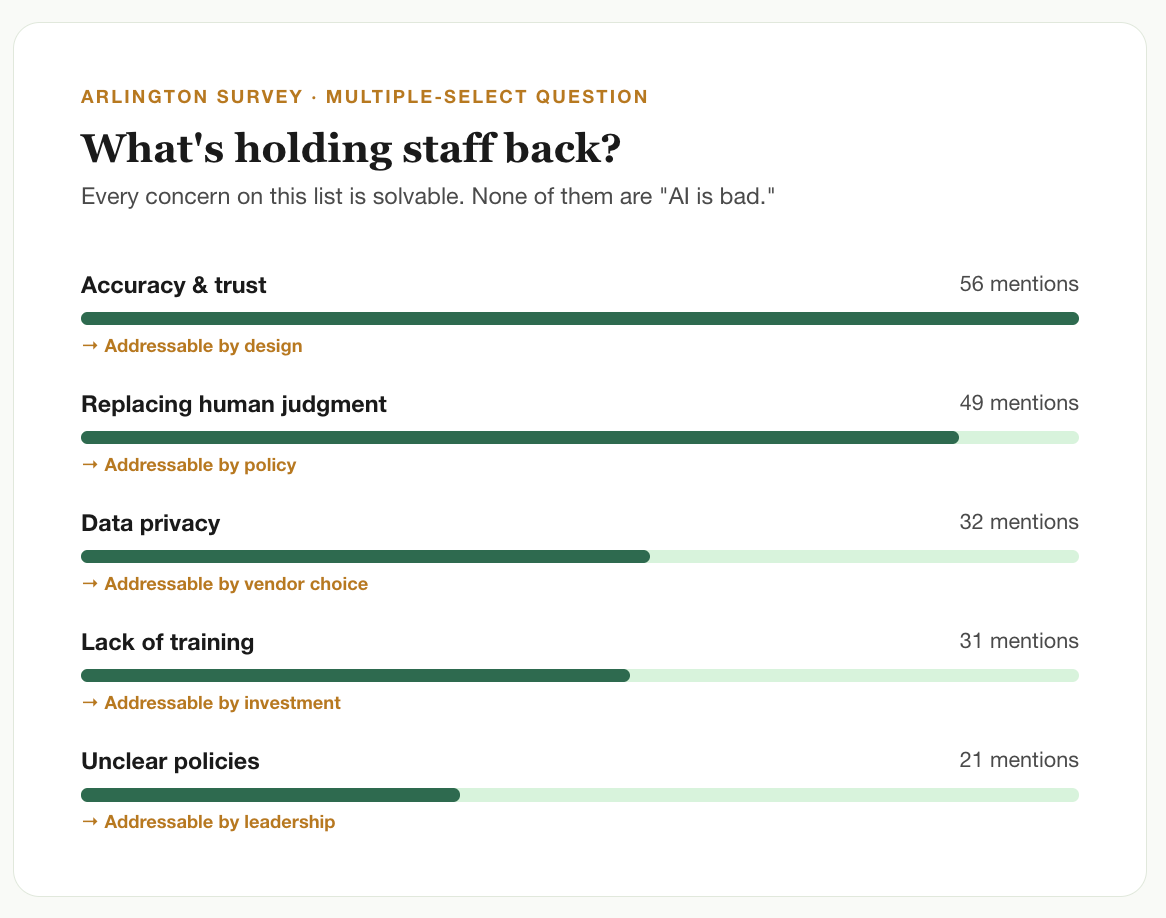
To understand what was driving that hesitation, we asked what was holding the team back. The top concerns were accuracy and trust (56 mentions across 92 respondents), followed closely by replacing human judgment (49 mentions). These aren't attitude problems. They're design requirements. Staff aren't afraid of AI. They're afraid of AI that gets things wrong invisibly, or that makes them feel replaceable rather than empowered.

Overall, staff sentiment was more optimistic than we expected. Practical AI is an incredibly recent development, yet we found real curiosity, genuine excitement, and concerns that are — importantly — addressable. The team believed in the potential. Now we needed to dig into where the impact would actually land.
What the Technology Is Going to Unlock
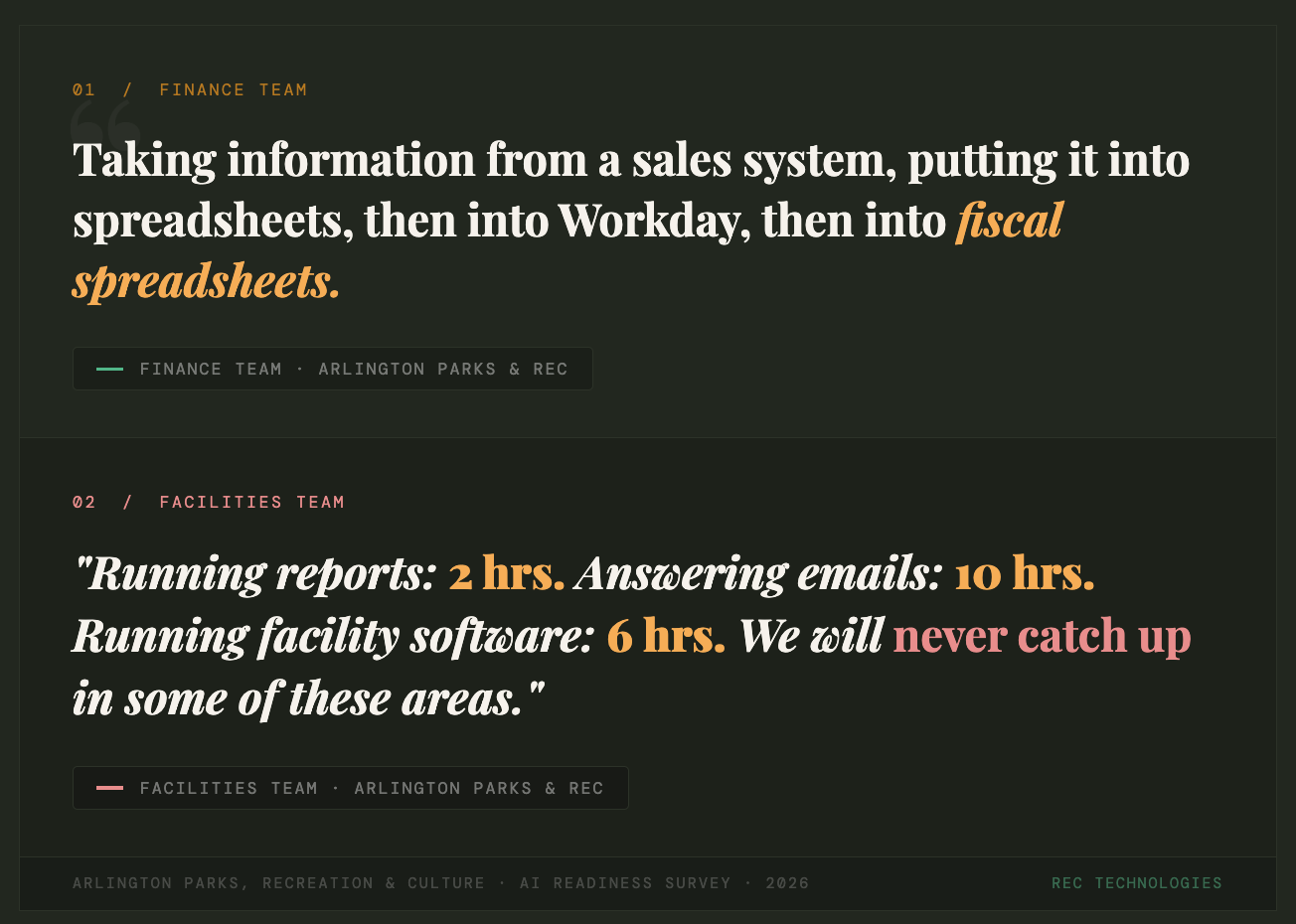
We then asked staff to describe their day-to-day work in detail. The open-ended responses made the opportunity concrete. People described spending two hours a day tracking down colleagues with system access just to move their own tasks forward. People described being inundated with customer requests.

When asked what they'd do with hours back, the answers were strikingly consistent: more programming, more community presence, more strategic planning, more staff development. The constraint in recreation has never been motivation. It's time.

As we categorized the responses, three buckets of opportunity came into focus: (1) better resident service, (2) better decision-making, and (3) getting out of the busy work.

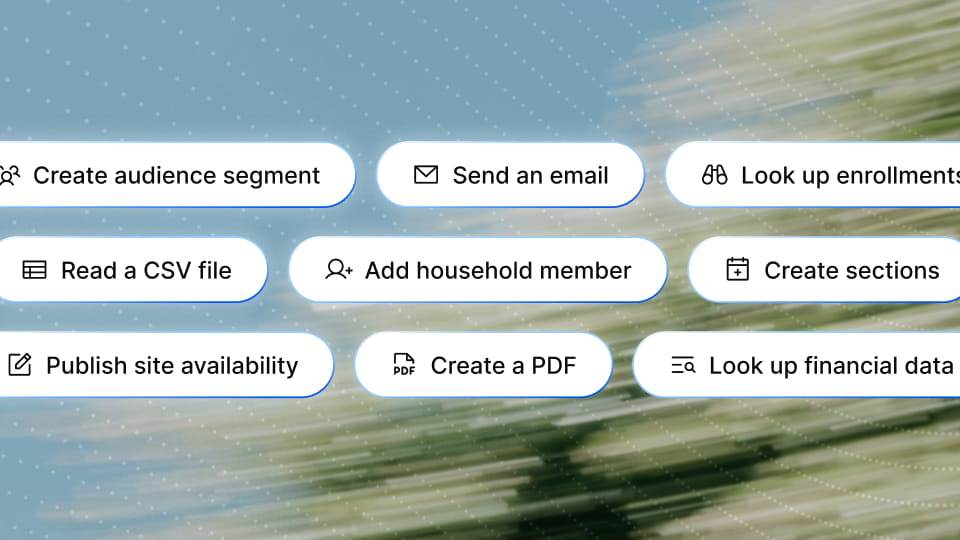
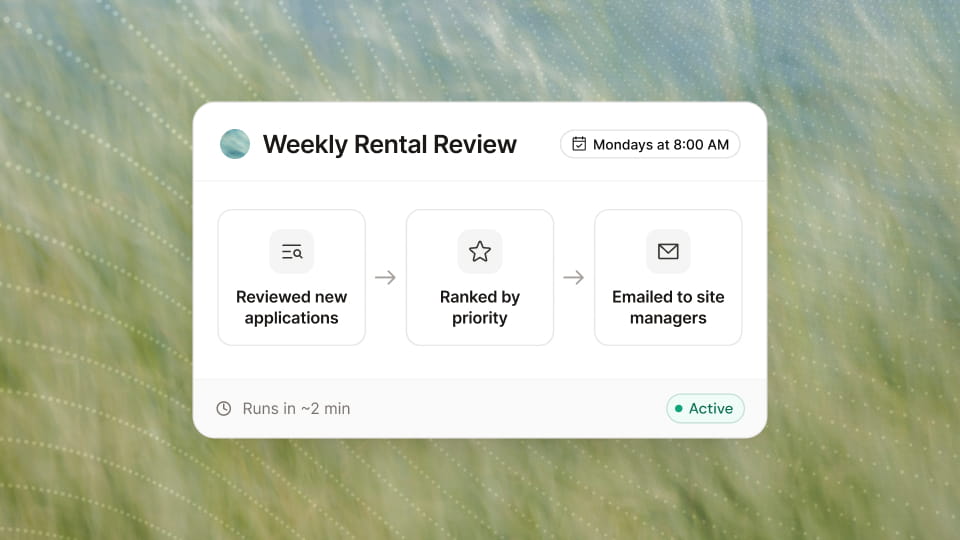
Operationally, it’s not just the single painful tasks. It was often the gap between tasks. A cancellation triggers a chain: check the refund policy, contact the customer, confirm the refund method, check the waitlist, contact the next person, confirm their spot. Done manually, this spans days of voicemails and callbacks. Excitingly, AI can handle all of it, stay on top of responses, and escalate to a human when something's unclear. This can free up not just the time spent doing the task, but the time spent waiting around or remembering to follow up.
Beyond operations, there was a huge opportunity in resident service. Right now, navigating a city's recreation system well requires time, patience, and familiarity with the system. Families who don't have those resources miss out on programs they'd otherwise qualify for. We started discussing opportunities for personalized recommendations, proactive notifications, and bringing a concierge-level experience to public recreation.

Better decisions round out the picture. Most departments are sitting on rich data — registration histories, fill rates, demographic trends — that lives in the system but can't be easily queried. A well-designed recreation AI can surface insights proactively to staff who don't have time for deep data analysis.

A Recreation AI Master Plan
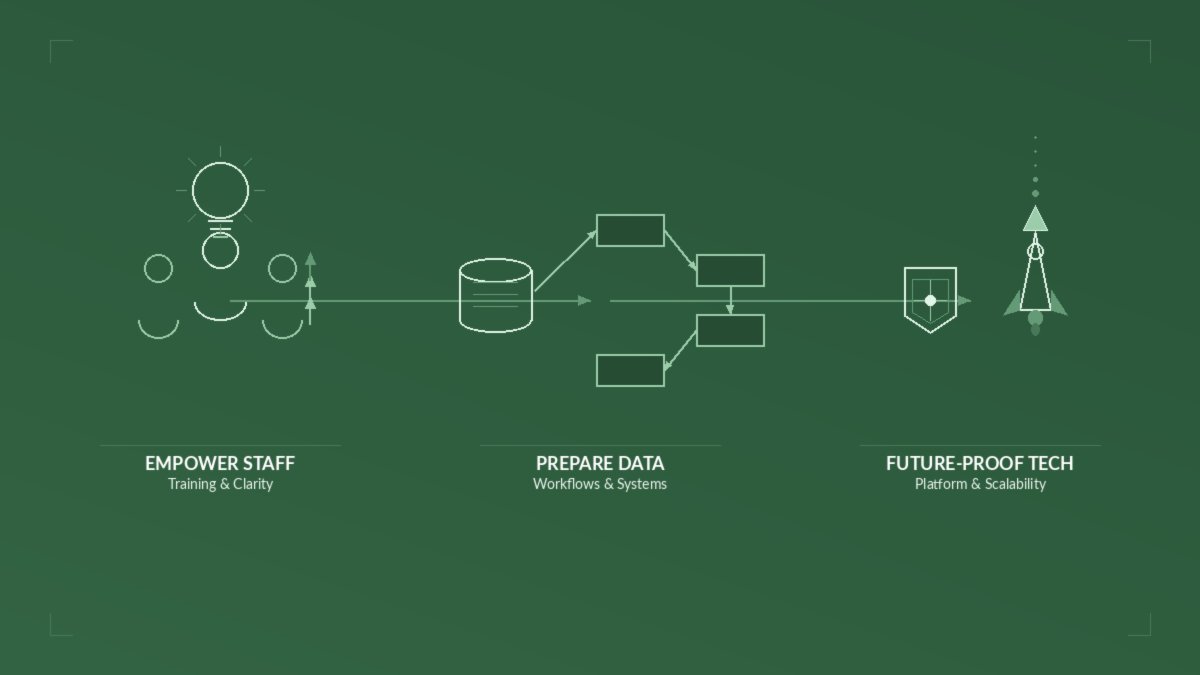
With the data in hand, we circled back to Gary's original question. Everything we learned pointed to three clear pillars. Below we share a little bit of what we mean by each pillar.

1. Empower Your Staff
Staff are ready to use AI, but two things hold them back today: a lack of strong training, and uncertainty about when AI use is appropriate.
Getting a team from a 2.84 to a 3.5 on AI comfort is primarily a training and tools problem. Run workshops. Let staff draft emails with AI, generate marketing copy, pull quick reports. That's achievable in months and it builds the foundation of trust.

2. Prepare Your Data
The reason AI works well when it works is access to the right data. Participant records, household eligibility, facility schedules, payment plans, waitlists, refund policies. Without that connection, you have an adequate chatbot. With it, you have a teammate who can actually resolve the issue end-to-end.
A critical early step is mapping every operational workflow in the department and identifying where the data needed to complete each task actually lives, whether that's in your registration system, a strategic plan, or a spreadsheet on someone's desktop.

3. Future-Proof Your Technology
Getting from 3.5 to 5 on AI comfort, where AI is actually running workflows, serving residents autonomously, and surfacing insights, requires the right platform underneath it. This is where departments need to have an honest conversation with their technology vendors about their AI strategy.
Two failure modes to avoid: "AI slop," vendors hacking together custom solutions in minutes that won't hold up under real recreation operations, and legacy platforms slapping AI on top of 15-year-old databases that aren't structured for what modern AI needs to do. Neither will compound over time the way a purpose-built platform can.
What departments need is a clear rubric: does this platform have AI designed to work alongside staff, with the ability to adapt as models improve and deliver growing impact to the community?

The Bottom Line
Recreation has always been about people. AI doesn't change that. What it does is give departments a real shot at removing the friction that stands between their staff and the work that actually matters. The agencies that build the foundation now, trained teams, organized data, and the right platforms, will be the ones raising service levels and expanding access in ways that weren't possible before. That's worth planning for.